
She Sold Oprah’s House: The Career Risk That Changed Everything
WARDROBE & CLOSET STRATEGY
She Sold Oprah’s House: The Career Risk That Changed Everything
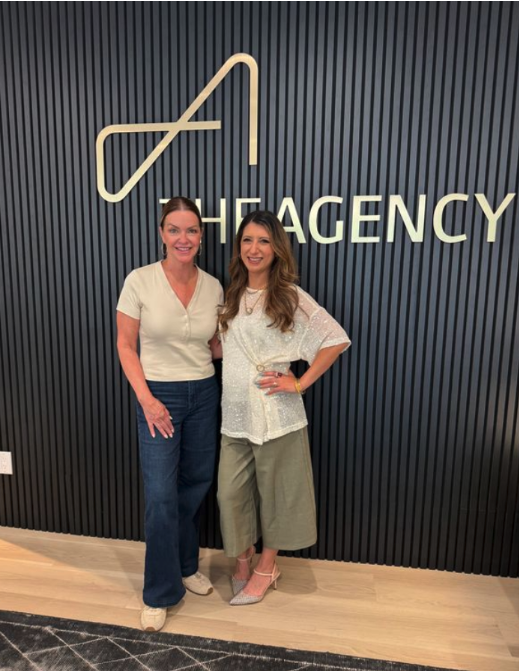
Leadership, relationships, opportunity, and personal style — lessons from luxury real estate broker Jen Cameron.
Your career can be successful on paper and still not feel like it belongs to you.
You can have the salary, title, recognition, stability, and professional credibility, and still find yourself wondering: Is this actually the life I want?
Quick answer: Career alignment means making intentional decisions about your leadership, relationships, opportunities, and personal style so your professional life reflects who you're becoming — not who you were expected to be. It often requires choosing possibility over safety at key turning points.
For ambitious professionals and entrepreneurs, career growth isn't always about climbing higher. Sometimes, it's about stepping into a different version of yourself — becoming a leader after years as an individual contributor, starting your own business, changing industries, taking a professional risk, building relationships differently, or simply letting your personal style evolve alongside your career.
The common thread is alignment. Your career, leadership style, relationships, personal brand, and even the way you show up in a room should increasingly reflect who you are becoming.
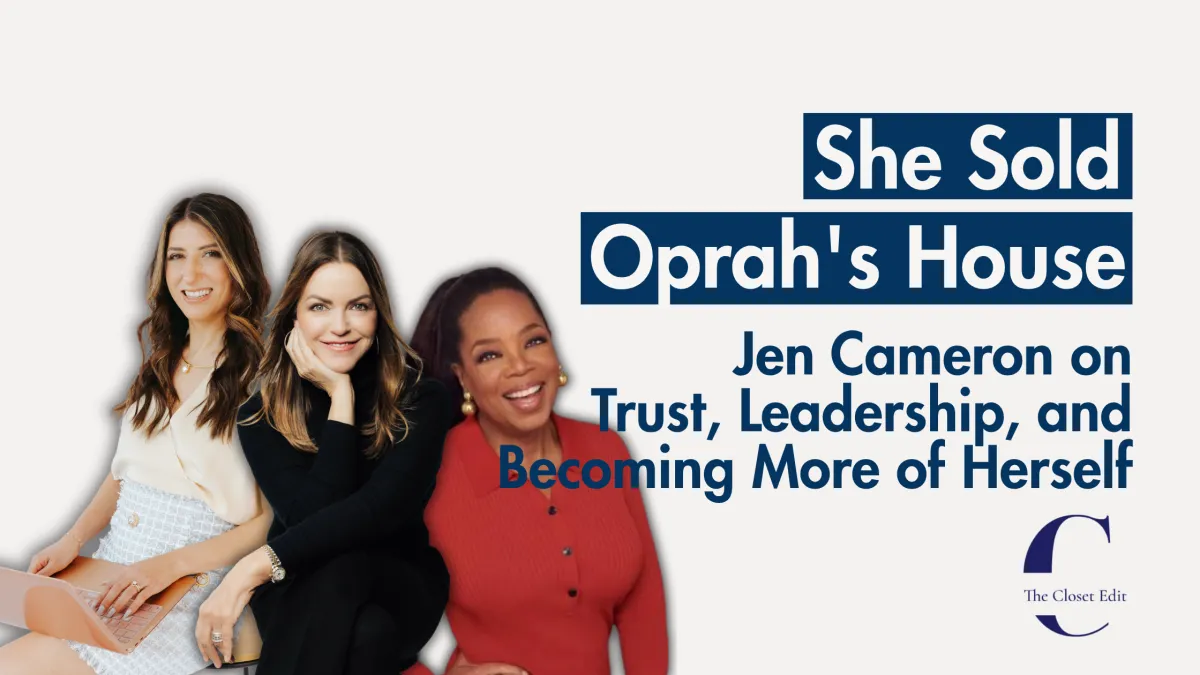
In a recent Make It You conversation, luxury real estate broker and entrepreneur Jen Cameron shared what she's learned from nearly three decades in real estate: building successful businesses, leading a brokerage, creating opportunities others overlooked, and making one of the biggest career decisions of her life. Here are the lessons that stand out.
Key takeaways
Look for opportunities where other people see problems.
Build relationships by asking how you can help, not by immediately asking for something.
Leadership means understanding and developing other people, not being the center of attention.
Strong company culture requires both connection and difficult decisions.
Your professional style should reflect your environment, experience, and the credibility you want to communicate.
Systems and processes turn individual success into something repeatable.
Sometimes the safest career decision isn't the right one for the person you're becoming.
Building an aligned life requires knowing when to choose possibility over expectation.
Stop Looking for Opportunities. Start Looking at Problems.
Some people see a problem and move on. Others immediately start asking: "How can I solve this?" That mindset can completely change how you approach your career.
Jen described herself as someone who tends to see the bigger picture. When other people see something as complicated, she looks for a way to make it work. One of her most memorable examples came from a luxury property on Orcas Island that wasn't selling during a difficult real estate market.
Instead of accepting that there wasn't enough demand, she found a larger story surrounding the area and got that story in front of the media. The result was significant attention for the region — and, ultimately, a buyer.
The lesson isn't about real estate. It's about perspective. Ask yourself:
What problem keeps coming up in my industry?
What are other people overlooking?
Is there a different story I could tell?
What would happen if I stopped asking "Why isn't this working?" and started asking "How could this work?"
Opportunities aren't always sitting in obvious places. Sometimes, the opportunity is hidden inside the problem.
Marketing Is How You Tell the Story, Not Just How You Promote It
One of the biggest insights from the conversation was the idea of putting marketing first. Marketing isn't simply posting on social media or creating advertisements — it's understanding who you're trying to reach, what they care about, what makes the opportunity unique, and how every detail supports that story.
This matters most when you're selling a premium service. Whether you're a real estate professional, consultant, attorney, coach, designer, or entrepreneur, your marketing should communicate the experience you want your client to have. Details matter: the paper, the photography, the presentation, the language, the follow-up. A checklist can get something completed. Attention to detail can make it memorable.
Leadership Isn't About You
Moving from top performer to leader requires a major mindset shift. When you're responsible primarily for your own success, your focus is naturally on your performance. But leadership requires asking: What does this person need from me to succeed?
That's one of the strongest leadership lessons from Jen's experience building a brokerage. Different people are motivated differently — one might need encouragement, another accountability, someone else a challenge. Great leadership isn't treating everyone identically; it's understanding people well enough to help them become better.
Instead of asking "How do I get my team to perform?" ask "What does each person need from me to do their best work?" That shift moves you from managing people to developing them.
where one exists.
A Strong Culture Requires Boundaries
Creating a positive workplace isn't just about having fun together — it's also about protecting the culture. Jen shared an important principle: when someone consistently brings negativity, drama, or unkind behavior into the workplace, leaders sometimes have to make difficult decisions.
Culture is affected by behavior, not just policies. One person's behavior can influence team morale, trust, communication, collaboration, productivity, and retention. Ignoring destructive behavior doesn't make it disappear — it can make it contagious.
At the same time, culture is built through connection, too. Team events, shared experiences, and opportunities to step away from work remind people they're building something together. People don't just want to work for a company; they want to feel like they belong somewhere.
Build Relationships Before You Ask for Referrals
One of the most valuable business lessons from the conversation is simple: don't start relationships by asking what someone can do for you. Instead, ask "How can I support you?"
This is especially powerful in sales, networking, and referral-based businesses. When you meet someone new, resist the urge to explain what you sell. Get curious — ask about their business, what they're working toward, who they serve, what challenges they're facing. Then look for ways to genuinely help.
A better networking approach: Connect → Listen → Help → Build trust → Stay connected → Refer naturally. The goal isn't to collect contacts. It's to build relationships.
Trust Is Built Through Consistency
Trust rarely happens in a single conversation. It's built through repeated experiences: someone gives you a small opportunity, you follow through, they give you another, you communicate well, you do what you said you would do — and eventually your reputation begins to work for you.
Two principles matter most: do what you say you're going to do, because reliability builds credibility; and overcommunicate, because people can't always see what you're doing behind the scenes. Regular updates make clients feel informed, valued, and taken care of.
Build Systems So Success Isn't Dependent on You
Being personally excellent at something is one thing. Building a business that consistently delivers that excellence is another. That's where systems and processes come in — without them, businesses become overly dependent on individual effort.
Think about client onboarding, lead follow-up, communication, marketing, sales, team management, and customer experience. The goal isn't to remove the human element — it's to create enough structure that the human element can be used where it matters most. A successful business shouldn't have to reinvent itself every time a client walks through the door.
Your Personal Style Is Part of Your Professional Presence
Your wardrobe doesn't need to look exactly like everyone else's in your industry, but it should communicate something intentional. This matters most when you're walking into rooms where credibility matters. Your style can communicate confidence, experience, attention to detail, professionalism, and an understanding of your environment.
The key is knowing the room. A luxury real estate broker meeting a client may dress differently than someone staging a property or touring a construction site. And someone early in their career may need to be more intentional about dressing professionally, because they haven't yet built the credibility that comes with years of experience.
You Don't Have to Choose Between Success and Authenticity
Authenticity doesn't mean ignoring your environment. You can adapt without losing yourself: you can wear sneakers and still look polished, be casual without looking careless, dress professionally without looking like everyone else. That's the difference between conforming and adapting intentionally — your personal style should evolve alongside your career.
When the Safe Choice Isn't the Right Choice
Perhaps the most powerful part of the conversation was Jen's decision to leave a stable, well-paying position with excellent benefits to build her own brokerage. On paper, staying was safer. Starting a brokerage later in her career, during a difficult market, was considerably more uncertain.
But the question wasn't "Which option is safer?" It became: "Which option is aligned with the person I want to become?" Sometimes the safest option protects the life you've already built. The more difficult option may create the life you're trying to build next — that doesn't mean every risk is worth taking. It means security and alignment aren't always the same thing.
Your Definition of Success Can Change
Career success doesn't have to look the same at every stage of your life. Earlier on, success might mean building credibility, increasing income, getting promoted, or establishing yourself. Later, it might mean having more autonomy, leading others, building something of your own, creating flexibility, spending time with family, mentoring others, or doing work that feels meaningful. Your priorities can change — and your career is allowed to change with them.
How to Build a More Aligned Career: 7 Steps
Identify what no longer fits. What parts of your current career feel outdated?
Look for problems worth solving. Where do you see opportunities other people overlook?
Evaluate your relationships. Are you building genuine professional relationships or simply collecting contacts?
Examine your leadership style. Are you focused on controlling performance or developing people?
Look at how you're showing up. Does your professional presence reflect the level you're trying to reach?
Build repeatable systems. What currently depends entirely on you that could become a process?
Ask the bigger question. Instead of "What's the safest next step?" ask "What next step best aligns with the person I'm becoming?"
Your Career Should Reflect Who You're Becoming
Career alignment isn't about creating a perfect life. It's about making intentional decisions that bring your work, relationships, leadership, personal brand, and priorities closer together.
Sometimes that means taking a risk. Sometimes it means setting a boundary. Sometimes it means changing how you dress. Sometimes it means building a system. Sometimes it means walking away from something that looks perfect on paper. And sometimes it simply means recognizing that the person you are today needs something different than the person you were five or ten years ago.
Your career is allowed to evolve. Your style is allowed to evolve. Your definition of success is allowed to evolve. The goal isn't to become someone else — it's to build a life and career that increasingly feel like you.
Ready to Build a Life and Style That Reflects You?
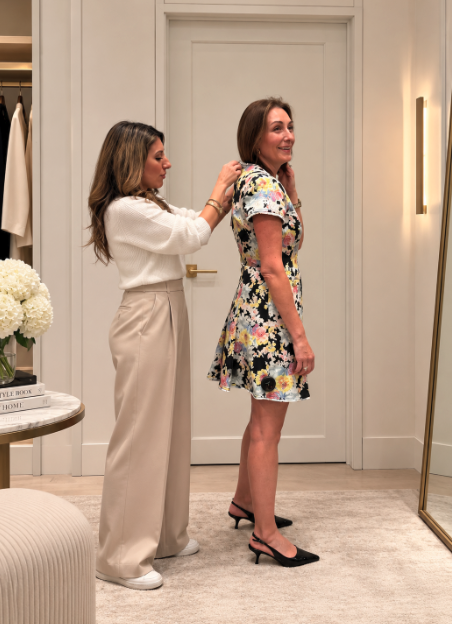
At The Closet Edit, we believe personal style is about more than clothing. It's about creating alignment between who you are, where you're going, and how you want to show up in the world.
If your career or lifestyle has changed and your wardrobe no longer feels like you, we're here to help.
P.S. You can also explore the free Closet Organization Guide to start creating more clarity in your wardrobe.
Your professional wardrobe should evolve with you
A wardrobe isn't a one-time project. Your career changes, your travel schedule changes, your workplace changes, your lifestyle changes, and your preferences change — your clothing should change with you. You may have once needed five suits and multiple formal dresses; today you might need comfortable trousers, elevated sneakers, relaxed jackets, and versatile tops. Neither wardrobe is "better." They're simply designed for different versions of your life, and the goal is always the same: a wardrobe that supports the life you're actually living today.
Frequently Asked Questions
What does career alignment mean?
Career alignment means building a professional life that reflects your values, strengths, priorities, and the person you're becoming, rather than the person you were expected to be. It can involve changing roles, starting a business, developing leadership skills, or redefining what success means to you.
How do I know if my career is no longer aligned with my life?
Common signs include feeling disconnected from your work, operating according to other people's expectations instead of your own, having priorities that no longer match your career, or realizing the version of success you once wanted isn't what you want anymore.
How can I find opportunities in my career?
Start by looking for problems instead of opportunities. Pay attention to inefficiencies, unmet needs, and challenges other people overlook, then ask how you could solve or approach them differently.
Why is relationship building important for career success?
Strong professional relationships create trust, collaboration, referrals, and mentorship opportunities. Instead of asking what someone can do for you, focus first on understanding how you can genuinely support them.
How do I build trust with clients?
Trust is built through consistency: following through on commitments, communicating regularly, being transparent, and reliably delivering the experience you promised.
Why are systems important in business?
Systems make successful actions repeatable. They reduce dependence on any one person's effort, create consistency for clients, and allow a business to scale without reinventing itself every time.
How does personal style affect professional credibility?
Personal style shapes how you're perceived before you've had a chance to demonstrate your expertise. Dressing intentionally for your industry, audience, and experience level communicates professionalism before you say a word.
Should I dress differently as I become more successful?
Your style can evolve as your career evolves. The goal isn't necessarily to dress more formally — it's to make sure your clothing reflects your current responsibilities, environment, and how you want to be perceived.
How can I choose between a safe career decision and a risky one?
Weigh both financial responsibility and long-term alignment. Ask what each option gives you, what it costs you, and whether it moves you toward the career and life you actually want, not simply the option that looks safest from the outside.
Can I build a successful career while staying true to myself?
Yes. Authenticity doesn't mean ignoring your environment or refusing to adapt. It means making intentional choices while maintaining your values, strengths, and identity.