
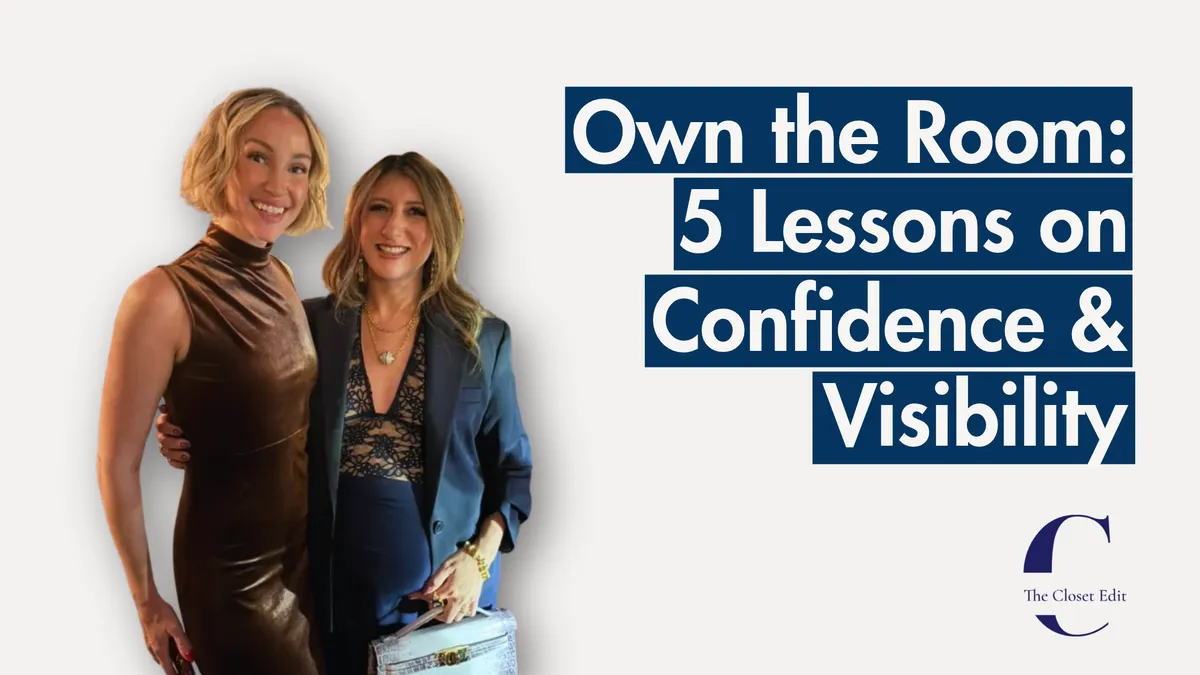
Personal Growth for Women Entrepreneurs: 5 Lessons on Growth, Visibility, and Style
Personal Growth for Women Entrepreneurs: 5 Lessons on Growth, Visibility, and Style
Personal growth isn't always about starting from scratch. Sometimes it means recognizing what your experiences have already taught you — and using those lessons to move forward with more intention.
By: Tannya Bernadette, The Closet Edit
Personal growth for women entrepreneurs isn't always about finding a completely new path. After spending time at a founders retreat in New York City, I came home thinking about five ideas from the women who spoke there — ideas that apply not only to business, but also to leadership, personal style, and the way we show up in our lives.
Each lesson below comes from a specific speaker: Lisa Hanna, Cris Gordon, Suneera Madhani, Cindy Dodd, and Jen of Iconic Magazine. Here's what each one taught me, and how I'm applying it to The Closet Edit and to the way I help clients dress.
The 5 lessons at a glance
You're not starting over — you're starting with everything your past experiences taught you.
Build your content around your values, not around what's trending or easy to post.
A strong, clear message is contagious — it gives people something to remember and pass along.
If you want to be seen, don't disappear into the background — in business or in what you wear.
Keep the conversation going even when it's uncomfortable, because honesty builds trust.
1. You're not starting over. You're starting with.
One line from Lisa Hanna stayed with me long after the retreat ended:
"You are not starting again; you are starting with." — Lisa Hanna
It's a powerful reminder that difficult experiences don't erase everything you've learned. They become part of the knowledge you bring to whatever comes next.
When a new challenge appears, you may feel as though you're back at the beginning. But you've already developed skills, made decisions, learned from mistakes, and discovered what matters to you. You can use those experiences to make your next decision differently.
I connected this idea to a season of change in my own life and business — trusting the processes I'd already built, allowing my team to take on more, and making space to keep learning as my circumstances evolve.
How this applies to your personal style
You don't need to discard your wardrobe and reinvent yourself every time your career or lifestyle changes. Start by understanding where you are now, what you've learned about yourself, and what needs to work differently.
At The Closet Edit, that self-awareness is part of the process. Before rushing into shopping, you need to understand your current wardrobe, your goals, and the life you're dressing for. (If you want a step-by-step version of that, read how to edit your closet the way a stylist does.)
2. Build your content around what you value
Cris Gordon encouraged us to create content pillars based on the values behind our businesses — not simply what's trending or easy to post.
After hearing her talk, I journaled about what The Closet Edit values, what our mission means in practice, and what feels natural to share. That reflection shaped the company's five content pillars:
Career and Personal Development: Growth, leadership, and lessons from real experiences.
Workwear Style: Helping clients dress for their professional lives.
Client Stories: Showing how thoughtful style choices can make a meaningful difference.
Favorite Products: Sharing pieces chosen with specific clients and needs in mind — not encouraging people to buy more for the sake of it.
The Closet Truth: Honest opinions and open conversations about what works, what doesn't, and why.
The lesson is useful beyond content planning. When your message reflects your values, it becomes easier to communicate consistently and build trust. You don't have to talk about everything. You can focus on the topics that genuinely matter to you and the people you serve.
3. A strong message is contagious
Listening to Suneera Madhani, I was struck by the confidence and clarity she — and so many of the women at the retreat — brought into the room. They weren't afraid to share their experiences, discuss what they'd learned, or have deeper conversations about business.
A clear message gives people something to understand, remember, and pass along. That doesn't mean you need to be loud or adopt someone else's personality. It means knowing what you believe and being willing to communicate it.
How this applies to your personal style
You don't have to choose between elegance and authority, or between feminine and masculine elements. You can express different sides of yourself depending on the situation and how you want to feel.
Your style can support your message without becoming a uniform. The goal is to make intentional choices that feel like you.
4. If you want to be seen, don't disappear into the background
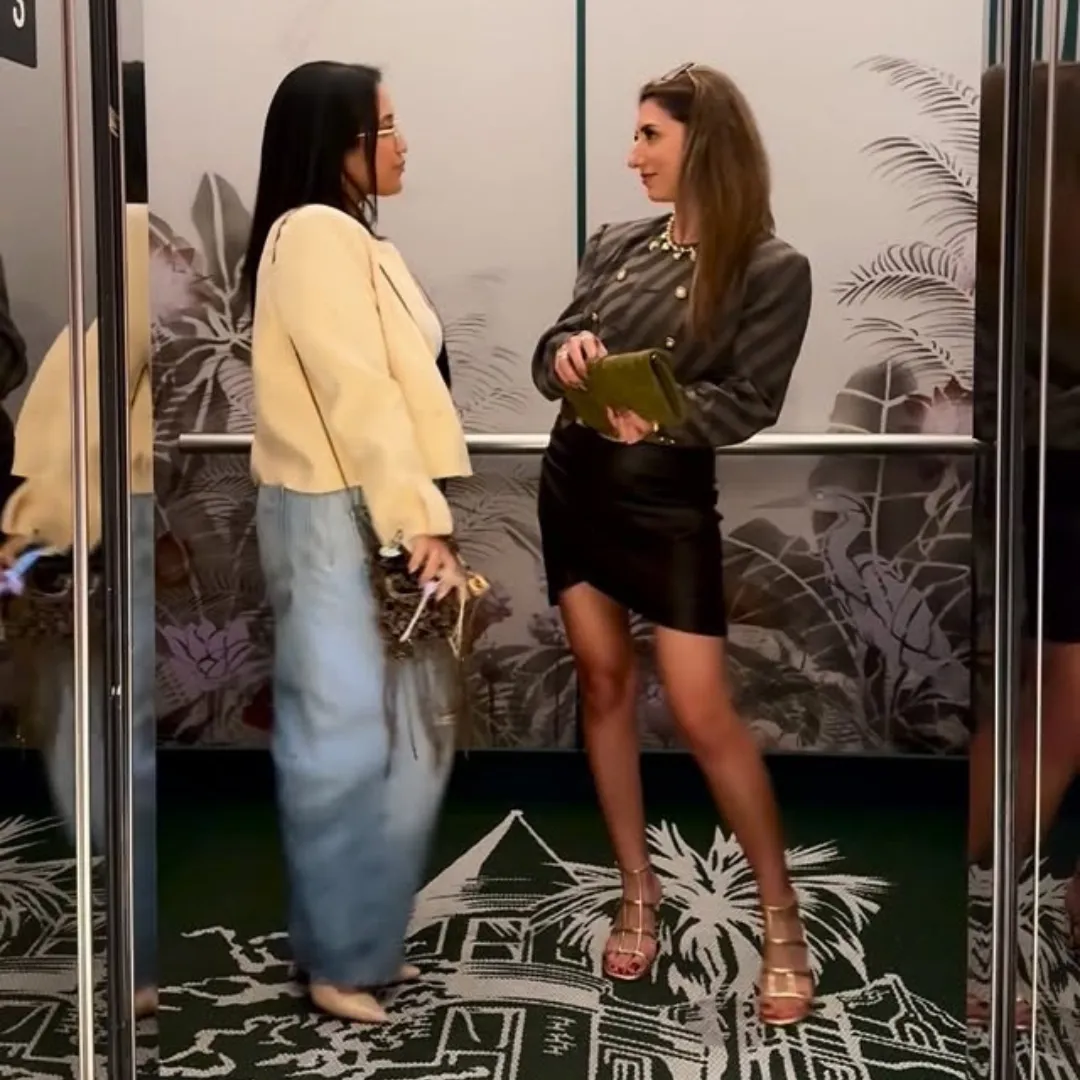
Visibility was a recurring theme at the retreat, and Cindy Dodd brought it to life. I noticed how the combination of red, black, and white created a bold visual presence — and kept thinking about how that idea translates to personal style.
Neutral clothing can be versatile and appropriate. But if every choice is made to blend in, your outfit may not communicate the individuality or confidence you want people to notice.
The answer isn't to wear bright colors just because they're bold. It's to think about what helps you feel memorable and comfortable in the room you're entering. That might be:
a distinctive color,
an intentional silhouette,
an interesting accessory, or
simply a look that feels aligned with your personality.
Ask yourself: How do I want to show up, and what do I want people to remember about me? Then let your outfit support that intention.
5. Keep the conversation going even when it's uncomfortable
Jen of Iconic Magazine spoke about the value of having difficult conversations instead of avoiding them.
In business, that might mean asking someone to clarify a misunderstanding, discussing money, negotiating expectations, or acknowledging that you missed the mark. Staying silent can leave important questions unresolved. A thoughtful, honest conversation gives both people a chance to understand each other and decide what comes next.
How this applies to working with a stylist
This connects directly to how I work with clients. Honest feedback is part of building trust. If a piece isn't right for someone, I want to explain why rather than encourage a purchase just to make a sale.
That kind of honesty requires care and clear communication. It also means being open to hearing something you may not have expected. Whether you're working with a client, leading a team, or refining your personal style, the willingness to ask, listen, and adjust helps you move forward.
How these lessons can change the way you show up
These ideas may sound like business lessons, but they all connect to a bigger question: Are the way you show up and the choices you make aligned with who you are and what you're building?
You can use what you've learned from past seasons. You can communicate from your values. You can make yourself visible without pretending to be someone else. And you can keep learning through honest conversations.
Your wardrobe is one part of that picture. It should support your real life, your work, your personality, your priorities, and the rooms you walk into.
You don't have to figure it all out at once. Start with where you are, recognize what you already bring with you, and make the next intentional choice.
Ready to make your style work for the life you're building?
If your career or lifestyle has changed and getting dressed no longer feels as straightforward as it used to, you don't have to figure it out alone. Book a Clarity Call with The Closet Edit — we'll talk about where you are now, what you want your style to support, and the right next steps for you.
Frequently Asked Questions
What does personal growth mean for women entrepreneurs?
Personal growth for women entrepreneurs means learning from past experiences, developing new skills, refining your leadership, and making decisions that align with your values and goals. Growth doesn't require erasing what came before — it means building on what you already know.
How can I build a personal brand around my values?
Start by identifying what matters to you, what you want people to understand about your work, and which topics you can speak about authentically. Turn those themes into three to five content pillars and use them to guide what you post and how you communicate.
What are content pillars?
Content pillars are a small set of recurring themes that all of your content returns to. The strongest pillars come from your business's values and mission rather than from trends, which makes your message consistent and easier for your audience to trust.
How can personal style support my professional visibility?
Personal style helps you express your personality and feel prepared for the room you're entering. A distinctive color, an intentional silhouette, or a memorable accessory can keep you from blending into the background, as long as it feels true to you rather than following a fashion formula.
Do I need to reinvent my wardrobe when my career changes?
Not necessarily. Begin by assessing what you already own, what still works for your current lifestyle, and what gaps need to be filled. A few thoughtful updates are usually more useful than replacing everything.
Why are difficult conversations important for entrepreneurs?
Difficult conversations — about money, expectations, misunderstandings, or mistakes — resolve questions that silence leaves open. Handled with care and honesty, they build trust with clients and teams and give both sides a chance to decide what comes next.