

How to Balance Masculine and Feminine Style
Wardrobe & Closet Strategy
How to Balance Masculine and Feminine Style in Your Wardrobe
Your personal style doesn't have to fit into one category. You can love structured blazers and tailored trousers while also feeling drawn to silk, delicate jewelry, and flowing skirts. You can dress in a more masculine way for work and embrace a softer, more feminine look for a social occasion, or combine both in one outfit.
The key is understanding what feels authentic to you.
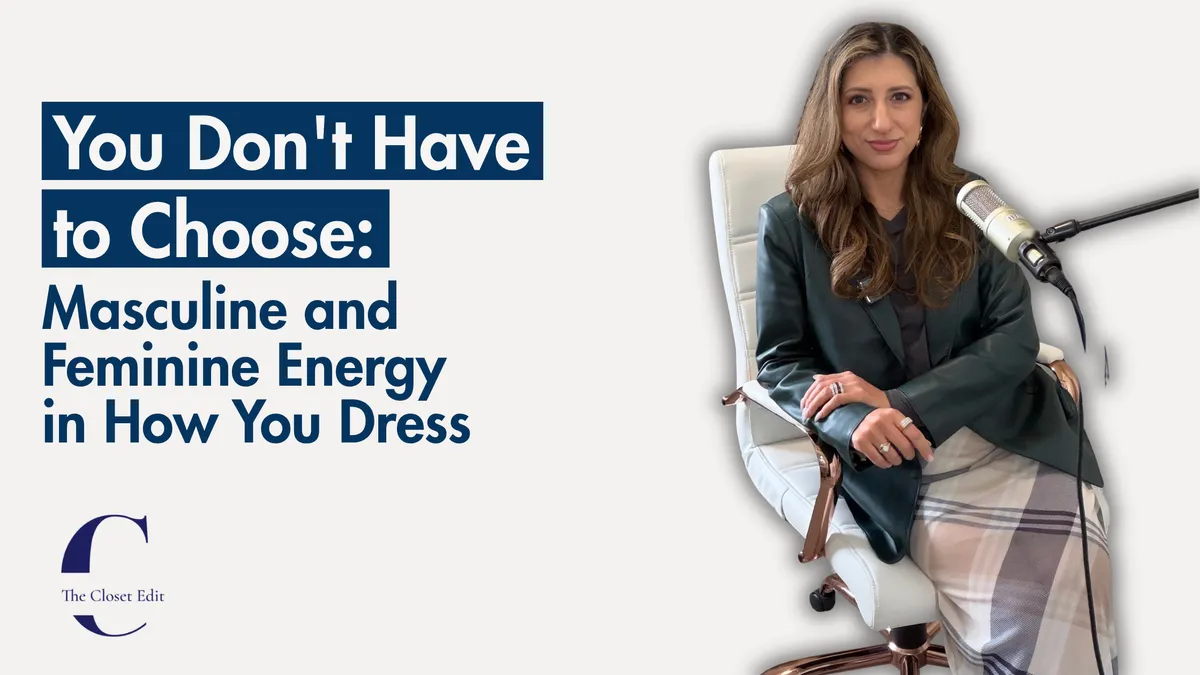
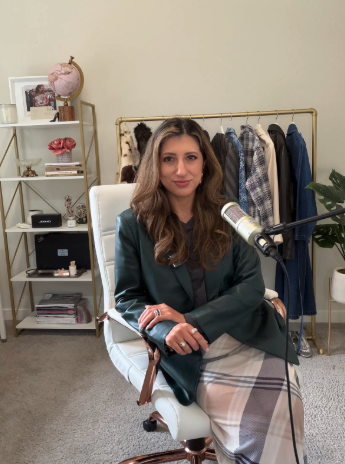
In a recent Make It You podcast episode, I share an insight from a wellness retreat in Austin, where a series of dance exercises helped me recognize how masculine and feminine qualities can show up in our personalities, movement, and personal style. That experience reminded me that style isn't about following a set of rules. It's about understanding yourself and choosing how you want to express that through clothing.
Quick answer: To balance masculine and feminine style, combine elements that feel structured, tailored, or traditionally masculine with details that feel soft, fluid, or traditionally feminine. The right balance depends on your personality, preferences, lifestyle, and the occasion; not a universal formula.
Key takeaways
Masculine and feminine style are personal interpretations, not strict fashion rules. What feels masculine or feminine to one person may feel different to someone else.
You don't have to choose one aesthetic. Combining structured and soft pieces can create a distinctive, balanced outfit.
Your style can reflect different sides of your personality, depending on your mood, environment, and how you want to show up.
Start with clothing you already own, such as blazers, trousers, silk tops, skirts, jewelry, and shoes.
Small changes in fabric, color, silhouette, accessories, or footwear can shift the overall feel of an outfit.
Your wardrobe should reflect your current life and personality; not just the professional role or image you've maintained for years.
The most useful style exercise is to notice what makes you feel comfortable, confident, and like yourself.
What is masculine and feminine style?
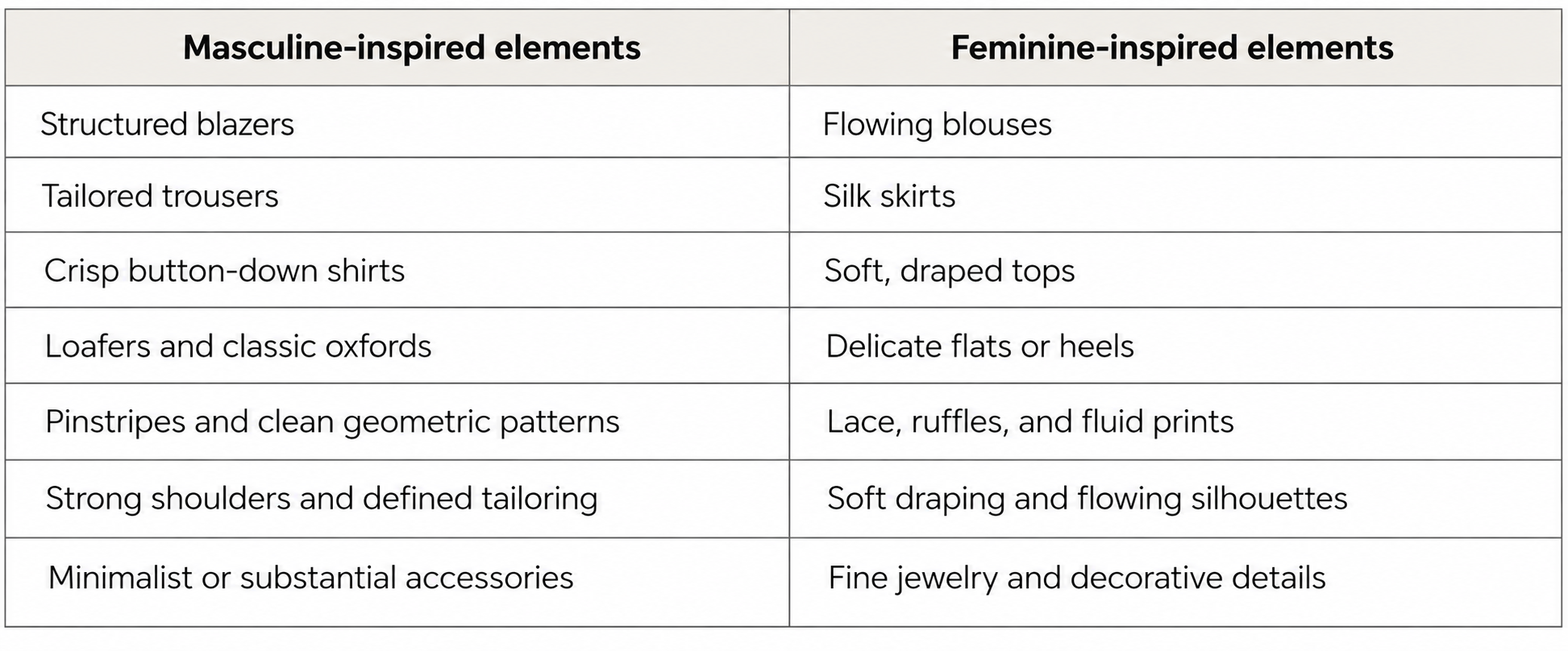
In fashion, masculine-inspired (or menswear-inspired) clothing usually means structured tailoring, crisp lines, straight silhouettes, and classic menswear details. Feminine-inspired clothing usually means softer fabrics, flowing shapes, decorative details, and delicate accessories.
These are starting points, not definitions. One person sees a black blazer as confident and feminine. Another sees it as pure menswear. The meaning comes from the person wearing it, how it's styled, and where it's worn.
Masculine vs. feminine clothing: common style elements
You may lean toward one column, love both equally, or switch depending on the day. There's no ideal ratio.
4 outfit formulas that mix menswear-inspired and feminine pieces
Your style can hold both
Back to that dance floor. The people who struggled weren't doing anything wrong. They had simply spent more time in one way of moving than the other.
Wardrobes work the same way. You might feel most confident in a tailored suit at work, reach for a flowing dress at a dinner party, and live in an oversized blazer, T-shirt, and loafers on the weekend. Those choices don't contradict each other. They reflect different sides of you.
Your personality offers clues, too. If you value structure and simplicity, you may love clean lines and a coordinated palette. If you love creativity, you may gravitate toward unusual textures and unexpected combinations. If comfort comes first, relaxed silhouettes may feel most like you. Notice which outfits make you feel most like yourself, and which pieces you admire on others but haven't tried.
1. A tailored blazer with a flowing skirt
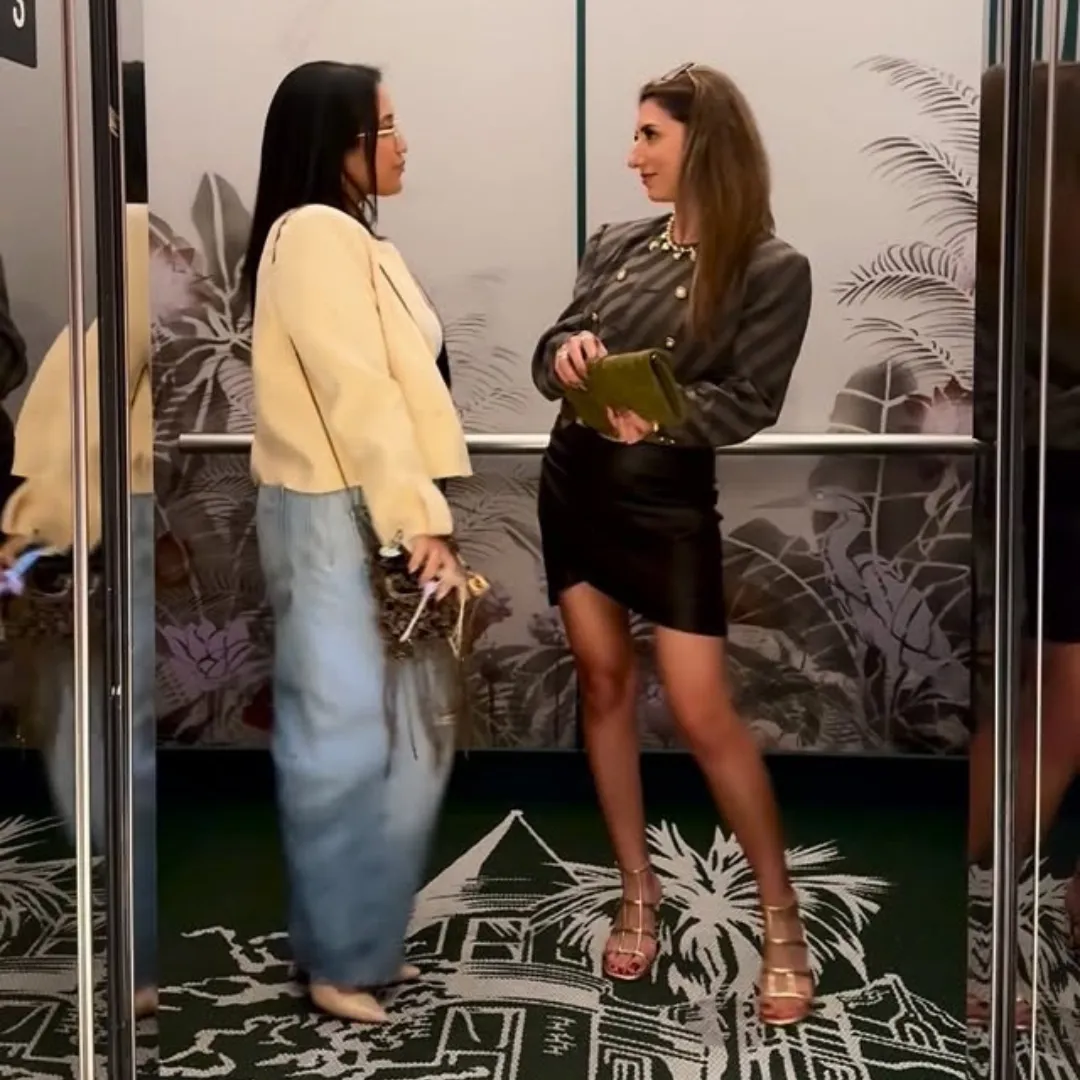
A double-breasted blazer creates a sharp, business-ready shape. Add a silk skirt, lace trim, or a hem that moves, and the whole outfit softens. This works for presentations, professional events, and dinners where you want to look polished without feeling stiff.
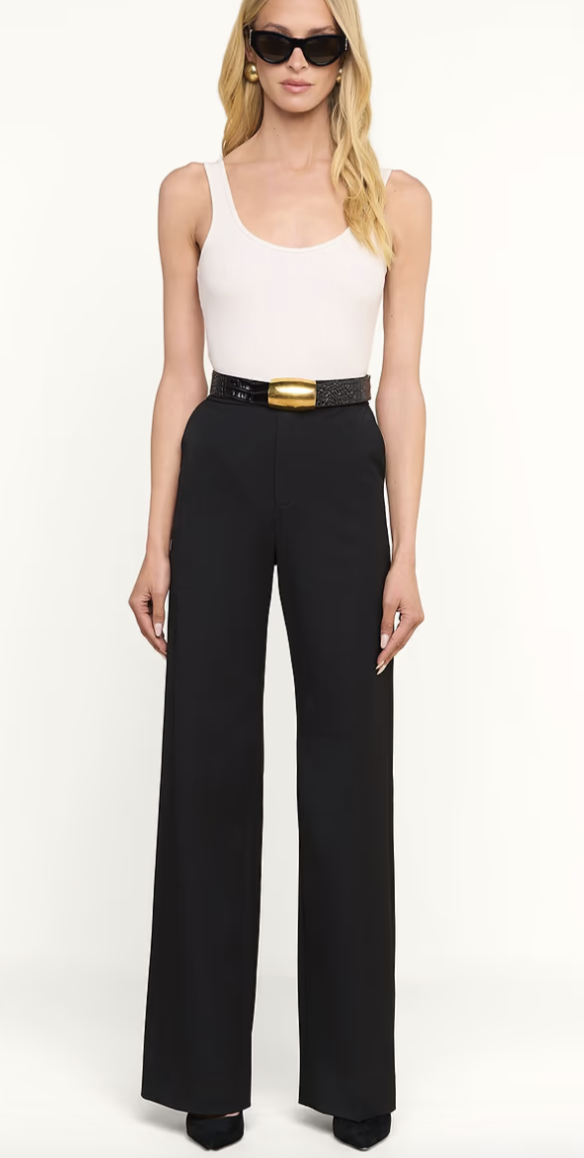
2. Tailored trousers with a soft blouse
Tailored trousers are one of the most versatile foundations in any wardrobe. Try:
Wide-leg trousers with a fluid blouse
Straight-leg trousers with a softly draped top
Pinstriped pants with a silk camisole and jacket
Tailored pants with a blouse featuring subtle ruffles
Change the shoes, accessories, or outer layer, and the same base moves from the office to a client meeting to an evening out.
3. Feminine details on a structured outfit
If your closet is mostly blazers and trousers, you don't need to replace anything. Add fine jewelry, a silk scarf, a softer blouse, a more expressive handbag, or shoes with a distinctive detail. These small additions bring personality into a minimal outfit without changing its structure.
4. Structure on a feminine outfit
If you love dresses and soft fabrics, go the other way. Pair a flowing dress with a tailored jacket, a structured belt, or classic loafers. A soft blouse and skirt take on a whole new character with a defined shoulder or an architectural accessory.
Your style can hold both
Back to that dance floor. The people who struggled weren't doing anything wrong. They had simply spent more time in one way of moving than the other.
Wardrobes work the same way. You might feel most confident in a tailored suit at work, reach for a flowing dress at a dinner party, and live in an oversized blazer, T-shirt, and loafers on the weekend. Those choices don't contradict each other. They reflect different sides of you.
Your personality offers clues, too. If you value structure and simplicity, you may love clean lines and a coordinated palette. If you love creativity, you may gravitate toward unusual textures and unexpected combinations. If comfort comes first, relaxed silhouettes may feel most like you. Notice which outfits make you feel most like yourself, and which pieces you admire on others but haven't tried.
When a professional wardrobe gets too one-dimensional
I've worked with one client for 12 years. When we first met, her closet was beautifully organized: classic suits, neutral colors, button-down shirts, and coordinated shoes. Getting dressed was efficient.
But it didn't look like her.
As we talked, I learned how much she loved art, distinctive details, and fashion icons. Then she showed me a photo from her wedding. She looked radiant and completely confident in a dress that expressed a side of her that never appeared in her closet.
Her work wardrobe had been built for efficiency and for the expectations of a male-dominated field. There was nothing wrong with that. But over the years, the uniform had crowded out everything else she loved.
We didn't throw out her suits. We made thoughtful changes: different jacket cuts, more interesting colors and fabrics, distinctive shoes, and fine jewelry with artistic details. She fell in love with Tory Burch flats, loafers, and heels that suited both her taste and her needs.
The goal was never to make her wardrobe more feminine by someone else's standard. It was to make it more her.
When your style feels limited, you don't always need a completely different aesthetic. Sometimes you just need to make room for more of your personality.
How to find the masculine and feminine elements in your own closet
You don't need to shop to start. Work with what you already own.
Step 1: Identify your go-to pieces
Look at what you wear most. Structured blazers? Tailored trousers? Flowing dresses? Soft sweaters? Your most-worn pieces show what feels natural to you. If your closet is too full to see clearly, start with a closet edit first.
Step 2: Notice the details you return to
Pay attention to fabrics, colors, shapes, and finishes. You might love sharp tailoring in soft colors. You might wear mostly neutrals but light up in expressive jewelry. Those combinations are what make your style personal.
Step 3: Find the gaps
Look for elements you admire but rarely wear. A closet full of structured workwear might need softer fabrics, more color, or a statement accessory. A closet full of flowing pieces might need a few tailored items for work. You don't have to fill every gap. Choose the one that would change your everyday outfits most.
Step 4: Try one contrast at a time
Take an outfit you already love and change one element. Swap trousers for a flowing skirt, add a silk blouse under your blazer, or put a structured jacket over a soft dress. Photograph the combinations you like so you can recreate them.
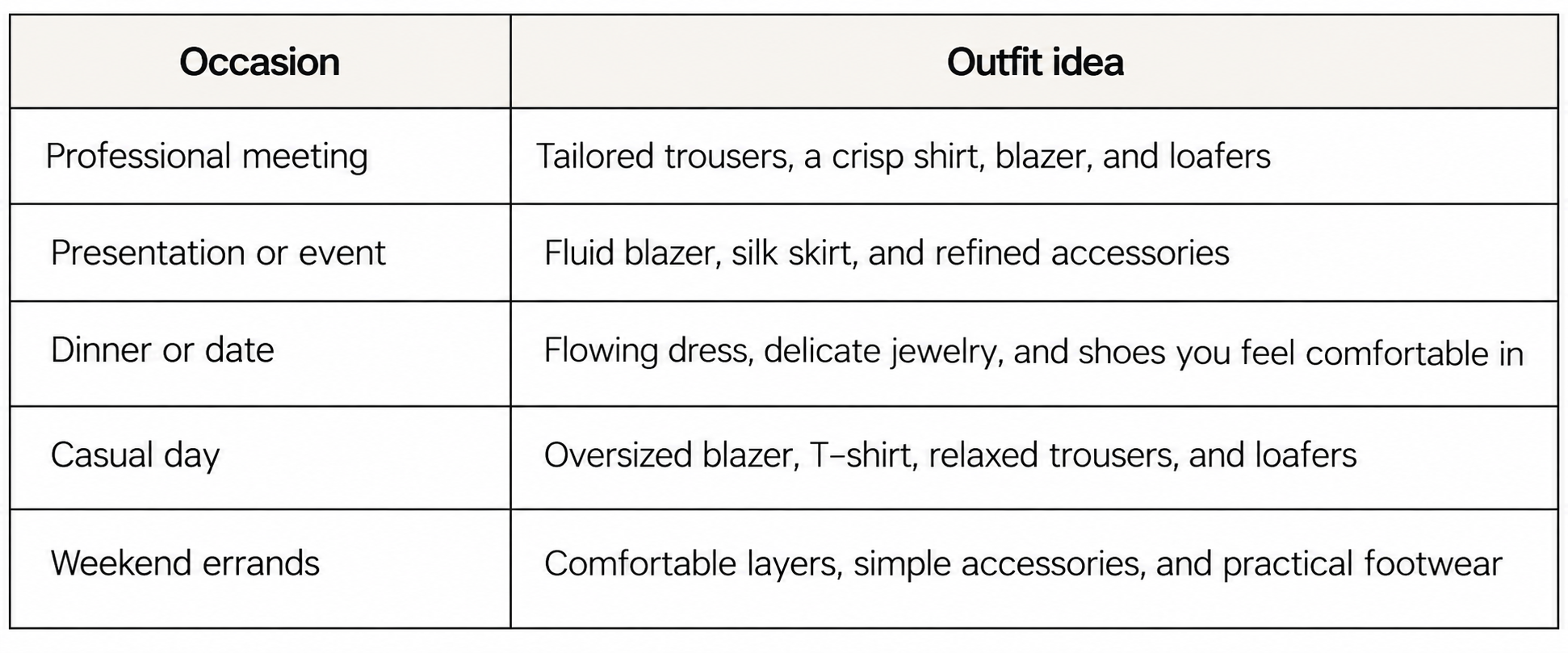
Step 5: Dress for the occasion and how you want to feel
Treat these as starting points. Adapt them to your comfort, your dress code, and your mood.
Let your style evolve with you
Maybe you've worn the same professional uniform for years because it made mornings easier, and now you want more softness, color, or individuality. Or maybe you've always dressed expressively and need more structure for a new role. Neither means your old style was wrong. It means your needs have changed.
You can love structure and softness, polish and ease. Your wardrobe should help you express all of it, not make you choose just one version of who you are.
Ready to Create a Wardrobe That Reflects You?
If your closet works but doesn't feel like you, you don't need more shopping. You need a plan. At The Closet Edit, we help you understand your personal style and build a wardrobe for your lifestyle, your career, and the way you want to show up, through personalized Closet Edits, Personal Shopping, and Outfit Planning.
Whether you want to explore a new style direction, bring more personality into your work wardrobe, or simply make getting dressed easier, we'll build that plan together.
Explore the Flip the Box Retreat
My experience at the retreat was a reminder that exploring who we are can open up new ways of expressing ourselves—including through personal style.
If you're interested in stepping outside your comfort zone, exploring new perspectives, and connecting with yourself and others, learn more about the Flip the Box Retreat.
Use code MEMBER at checkout for $1,000 off the 2027 retreat.
Learn more about the 2027 Flip the Box Retreat.
Frequently Asked Questions
What are masculine and feminine styles?
Masculine and feminine style are fashion terms for different design elements, such as tailoring, silhouettes, fabrics, and accessories. Masculine-inspired looks often feature structured shapes and classic menswear details, while feminine-inspired looks feature softer fabrics, flowing silhouettes, and decorative details. They are flexible style associations, not rules about who can wear particular clothing.
How do I combine masculine and feminine clothing in one outfit?
Pair one structured piece with one soft piece. For example, wear a tailored blazer with a flowing skirt, tailored trousers with a silk blouse, or a soft dress with a structured jacket. Accessories, shoes, fabric, and color can also shift the overall feel of an outfit.
What are examples of masculine and feminine clothing?
Common masculine-inspired pieces include tailored blazers, structured jackets, crisp button-down shirts, trousers, loafers, and pinstripes. Common feminine-inspired pieces include flowing dresses, silk or satin fabrics, lace, ruffles, soft draping, and delicate jewelry. Anyone can wear and combine pieces from either list.
How can I make my work wardrobe more feminine without losing professionalism?
Make small changes to pieces you already wear. Try a softer blouse under a tailored blazer, a different jacket cut or fabric, fine jewelry, or more color. You keep the structure and formality your workplace requires while adding details that reflect your personal style.
How can I add more structure to a feminine outfit?
Add a tailored jacket, structured blazer, defined belt, crisp shirt, or architectural accessory. For example, pair a flowing dress with a structured jacket, or style a soft blouse with tailored trousers and loafers.
How can I balance masculine and feminine style without buying new clothes?
Start with the pieces you already own. Pair structured items with softer ones, change one element of an outfit you already love, and experiment with accessories. Photograph combinations you like so you can recreate them. Shop only when you find a genuine gap that would work with several outfits.
How do I discover my personal style?
Notice the outfits and pieces you reach for most and what you like about them. Consider your preferred silhouettes, fabrics, colors, comfort needs, lifestyle, and work environment. Experiment with new combinations from your existing wardrobe before deciding what, if anything, to buy.
Do I need to choose between masculine and feminine style?
No. Personal style can include elements from many aesthetics. You can combine structured and soft pieces, change your look depending on the occasion, or lean toward one direction without being limited to it. The goal is to dress in a way that feels authentic and works for your life.
P.S. Curious about the retreat?
The dance exercise I described happened at the Flip the Box Retreat. If you'd like to step outside your comfort zone and explore new ways of expressing yourself, you can learn more about the 2027 retreat here. Use code MEMBER for $1,000 off.