

Personal Branding Tips for Women Growing a Business
Money changes things.
When women start making more of it, something interesting happens: the real barriers show up. Not the obvious ones like strategy, funding, or marketing, but the quieter ones like shame, hesitation, and playing small.
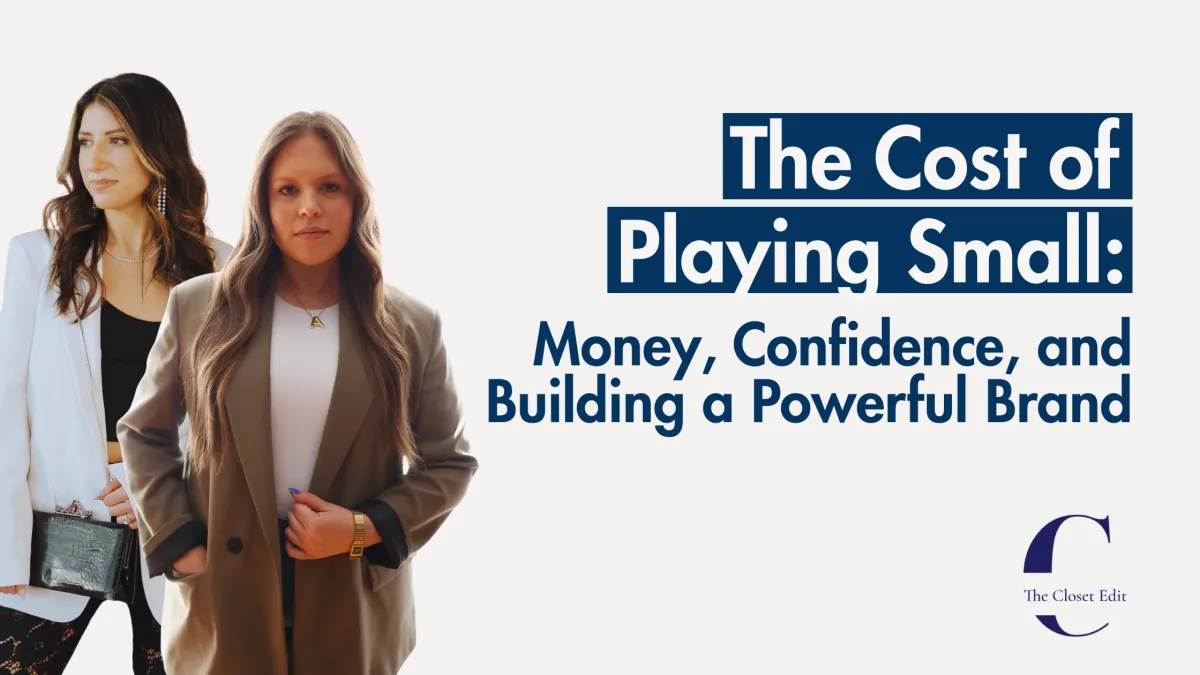
In a recent podcast conversation with fashion and brand strategist Ashli Pollard, we pulled back the curtain on what actually makes brands grow or crash.
Pollard has spent over a decade inside some of the biggest fashion houses, including Gucci, Prada, and Oscar de la Renta. She’s also worked with contemporary labels like Rebecca Minkoff and Sam Edelman.
Today, through her companies The Doers, Dial Zero Marketing, and Cocky Ventures, she helps women build profitable, scalable businesses without burning themselves out.
Here are the most powerful takeaways from the conversation, the ones that can change how you approach business, branding, and growth.
1. The Luxury Branding Lesson Most Businesses Miss
Working inside luxury fashion teaches one critical skill: deeply understanding your customer’s life.
Not just demographics. Lifestyle.
When Pollard worked at Gucci early in her career, she couldn’t personally afford the products, even with an employee discount. But she still had to sell them.
So she studied the customer’s world.
Where they vacation
What restaurants they visit
What other brands they love
How they travel
What their daily lifestyle looks like
Instead of speaking from her own experience, she learned to speak as a peer within their world.
Key takeaway: Your brand grows faster when you market from your customer’s perspective, and not your own.
2. The Biggest Myth Women Believe When Building a Brand
According to Pollard, the biggest thing women underestimate is this: They assume other people are smarter than them.
But most founders, even very successful ones, are just making decisions and adjusting along the way.
Perfection isn’t the goal. Momentum is. Pollard shared a great example:
She’s launching the fourth version of her website in six years
Each imperfect version taught her something new
Meanwhile, she knows someone who has been “perfecting” a website for four years without launching
The difference? One business collected data. The other stayed stuck.
Key takeaway: The fastest way to learn is to launch before you feel ready.
3. The One Thing That Actually Kills Businesses
Most people think businesses fail because of:
Lack of money
Bad marketing
Inventory issues
PR crises
But Pollard believes there’s only one real cause. Shame.
When founders hit setbacks and internalize them—“I’m stupid,” “I’m not cut out for this,” “I should quit”—that’s when businesses die.
Every business hits problems. The successful ones simply keep moving forward.
Her philosophy is simple: There is no Plan B. When you hit a mountain, you grab a shovel and dig through it.
Key takeaway: Mistakes don’t kill businesses. Quitting does.
4. Why Many Businesses Get Stuck at $30K–$50K Months
A lot of growing brands hit a plateau around $30K–$50K per month.
Pollard says the cause is usually two things:
1. Lack of delegation
Founders try to do everything themselves instead of building a team.
2. No scalable revenue engine
Successful companies often have two layers:
Front-end brand: The thing people see and interact with.
Back-end engine: The system generating consistent revenue.
A great example is Amazon.
Most people think the business is the marketplace.
But much of its profit actually comes from AWS (Amazon Web Services)—a massive backend revenue engine.
For smaller brands, this might look like:
A low-cost digital product
A paid newsletter
A membership
Automated digital offers
Key takeaway: If your income stops when you stop working, your business will eventually stall.
5. The Investment That Can Change a Business Overnight
If Pollard had to name one investment that changed everything, it would be this:
A high-quality website.
After investing roughly $10,000 in a professionally designed website, her business revenue increased 5× month-to-month.
Think of your website as your digital storefront. If you walked into a physical store with:
Boxes everywhere
Poor lighting
Messy displays
You wouldn’t trust the brand. The same principle applies online.
Key takeaway: Your website is often the first impression of your business. Treat it like a flagship store.
6. Why Being “Professional” Is Overrated
One of the most refreshing parts of the conversation was Pollard’s take on professionalism.
She doesn’t try to be overly polished online. She’s direct. Honest. Sometimes blunt.
And that authenticity has become one of her biggest revenue drivers.
People trust brands that feel real. Yes, some people will disagree with you. Some will unfollow you.
But the ones who stay? They become loyal customers and advocates.
Key takeaway: Clarity attracts the right audience faster than trying to please everyone.
7. Stop Calling Everything “Luxury”
Another branding mistake Pollard sees everywhere on Instagram: Everyone claiming to be a luxury brand.
True luxury businesses have:
High barriers to entry
Clear positioning
Strong brand identity
A specific audience
If your brand serves everyone at every price point, it isn’t luxury…And that’s okay.
You don’t need to pretend to be something you’re not.
Key takeaway: Authenticity converts better than aspirational branding that doesn’t match reality.
8. Personal Style Is a Branding Strategy
One of the most interesting exercises Pollard uses with clients involves imagining a brand launch event.
She asks founders to design it from scratch:
The venue
The music
The drinks
The guest list
What everyone is wearing
From that visualization, her team builds:
Color palettes
Typography
Brand voice
Photo direction
Why? Because your brand should feel like something you naturally embody.
If your brand aesthetic doesn’t match how you show up in real life, it becomes exhausting to maintain.
Key takeaway: Your brand should feel like an extension of you; not a costume.
Quick Business Truths (From the Rapid-Fire Round)
Pollard didn’t hesitate when answering these:
Coaching → Not necessary
Networking events → Absolutely worth it
Building community → Essential
Going viral → A goal
Fancy website → Necessary
Waiting until you’re ready → Harmful
Hiring early → A smart move
The Real Secret to Long-Term Business Success
At the end of the conversation, Pollard shared the philosophy she lives by inside her community: “Do good.”
Build businesses that:
create opportunity
support other women
generate financial freedom
and make an impact beyond revenue
Because when women build profitable brands, the ripple effect goes far beyond business.
Ready to Build a Brand That Actually Reflects You?
If you’re building a brand or trying to scale one, you don’t need to become someone else to succeed.
You need clarity. Clarity about:
your customer
your values
your voice
and the business model supporting it
And sometimes, the most powerful move you can make is simply this: Stop waiting to feel ready and start building.
FAQ's
Q: What should I wear for dating profile photos to look natural?
A: Choose outfits that reflect how you actually show up in real life. Well fitted jeans, structured tops, and clean shoes create a relaxed but intentional look. The goal is to look like yourself on your best day, not a version that feels forced.
Q: How many outfits should I wear in my dating profile photos?
A: Aim for a range of looks that reflect different sides of your life. A casual outfit, a slightly elevated look, and something more polished create variety. This helps show personality while keeping your style consistent and intentional.
Q: What is the difference between casual and dressy date outfits?
A: Casual outfits focus on comfort and approachability, while dressy outfits add structure and polish. Casual might include well fitted denim and a structured tee, while dressy looks incorporate tailored trousers, blazers, or a well fitted suit.
Q: How do I look confident in dating photos without overdoing it?
A: Confidence comes from alignment, not effort. When your outfit fits well and reflects your personality, you naturally feel more at ease. Avoid over styling and focus on clean, intentional choices that feel like you.
Q: What should I avoid wearing in dating profile photos?
A: Avoid outfits that feel outdated, overly worn, or disconnected from your current style. Pieces that do not fit well or feel uncomfortable can show in photos. Your outfit should support how you want to be seen, not distract from it.
Q: Can I wear activewear or casual clothes in dating photos?
A: Yes, but keep it elevated. Choose clean, streamlined pieces with coordinated colors. Activewear should look intentional and polished, not like something thrown on for the gym.
Q: How do I make my outfit look more intentional for a date?
A: Add one thoughtful layer or detail. A jacket, structured outerwear, or refined shoes can elevate even simple outfits. Small adjustments create a more polished and confident appearance.
Q: Where can I find help styling outfits for dating photos in Seattle?
A: You can work with a Seattle based personal stylist through The Closet Edit for both virtual and in person styling. This helps you create outfits that feel authentic, photograph well, and align with how you want to present yourself.
Want more conversations like this?
Listen to the full episode where we share insights on personal branding, business growth, and style strategy to help you build a life (and a brand) that actually reflects who you are.